
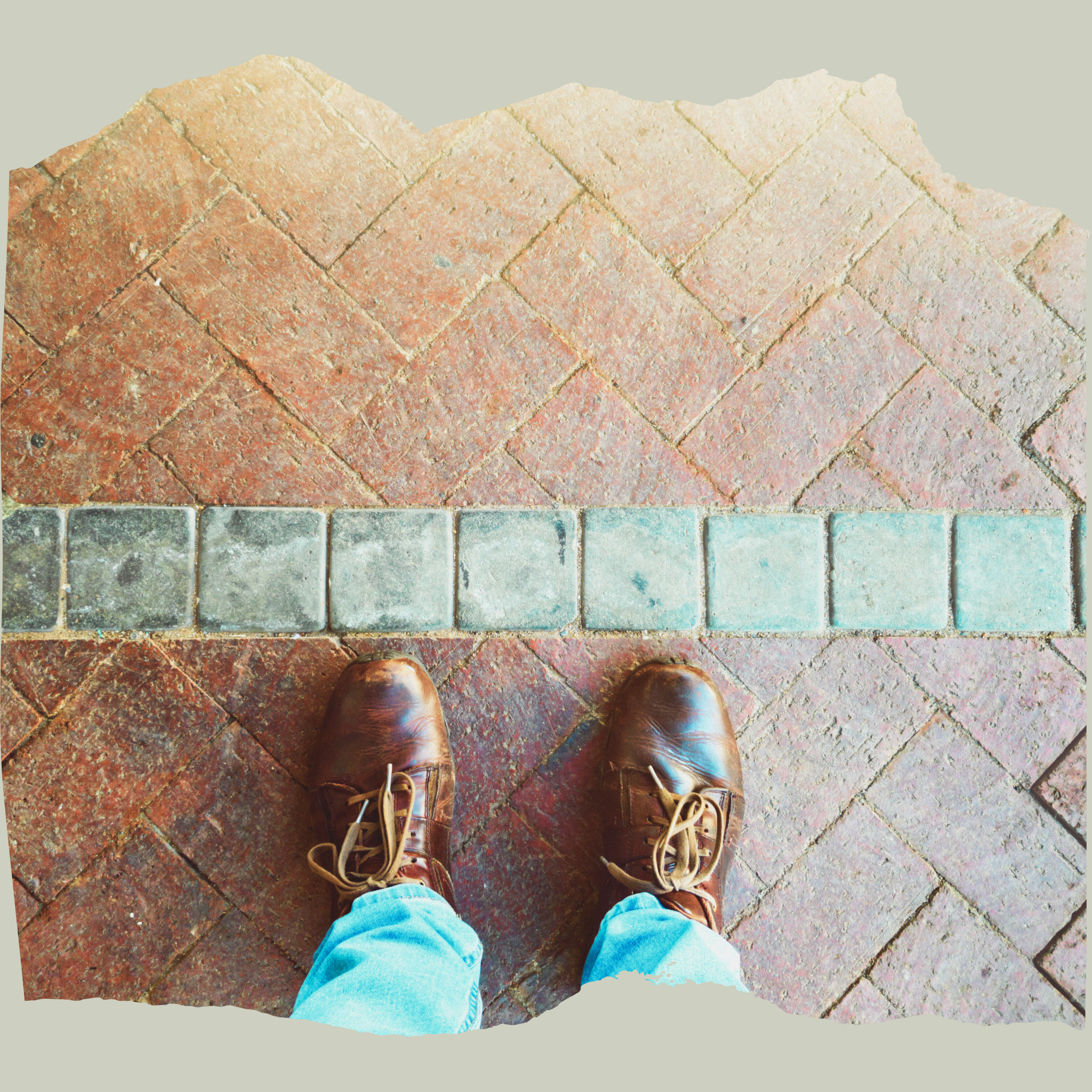
“Boundaries help us keep the good in and the bad out.”— Henry Cloud
PILLAR: Boundaries
FOCUS: Boundaries in professional or volunteer spaces
Reflection
Work culture often rewards overextending. Saying yes to extra shifts, late nights, or volunteer tasks becomes the norm—even when we’re running on fumes. We call it dedication, but often, it’s self-neglect disguised as teamwork.
For a long time, I said yes to everything. Extra shifts, committees, last-minute favors—I didn’t want to seem lazy or ungrateful. I kept waiting for things to calm down. They didn’t. I hit a wall—physically exhausted and emotionally checked out. When I finally started setting limits, something surprising happened: no one pushed back. I realized the pressure I felt wasn’t coming from others—it was coming from me.
Start with clarity. Define what’s okay and what’s not. That might mean:
• Not checking emails after hours
• Turning down unpaid labor that exceeds your role
• Saying, “I don’t have capacity for that right now”
If you’re volunteering, remind yourself: your time is a gift. And gifts have limits. Just because you’re capable doesn’t mean you’re available.
Boundaries in these spaces aren’t selfish. They prevent burnout, resentment, and quiet bitterness—and they make room for sustainable, meaningful contribution.
Journal Prompt
Where am I overextending myself at work or in service—and what boundary would help me feel more balanced?
Affirmation
My time and energy are valuable, and I honor them with clear limits.
Gratitude
I’m grateful for the strength to protect my peace, even in busy spaces.
Action
Today I will identify one place I can say no or set a firmer limit in my professional or volunteer life.
Final Thought
You’re allowed to be dedicated and still have boundaries. In fact, real dedication includes honoring your own capacity.